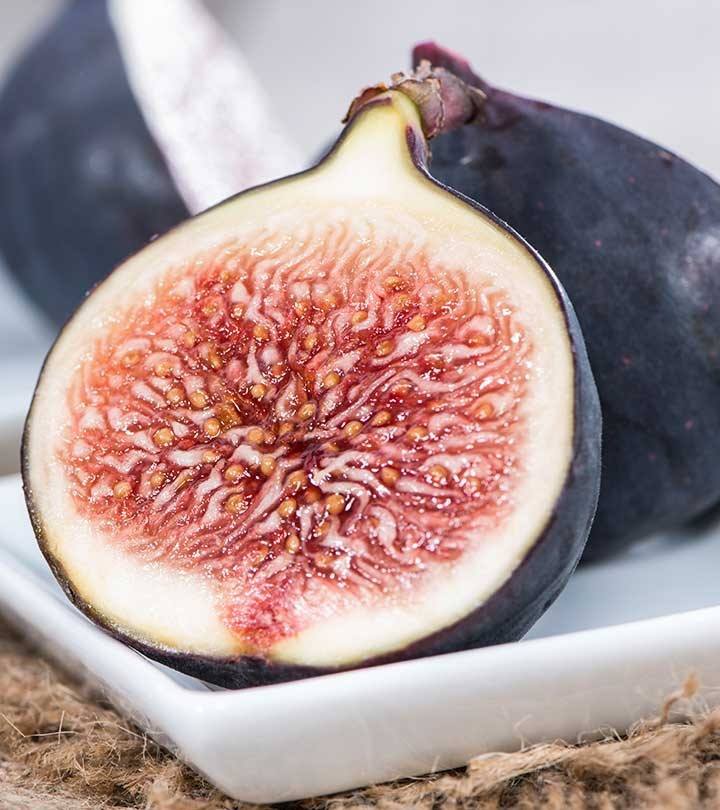
In the world of fruit delicacies, figs have held a special place for centuries.
However, what many people don’t realize is that these tempting treats aren’t exactly what they appear to be at first glance.
More than just juicy fruit, figs are actually inverted flowers with an intriguing secret: the presence of tiny winged tenants.
The Truth Behind the Appearance
At first sight, figs may look like ordinary fruit, but a closer inspection reveals their true nature.
Scientifically classified as “syconia,” figs are flowers that develop internally.
The sweet, fleshy pulp we enjoy is really the product of a unique transformation, where the flowers turn inward and create an edible structure.

The Fascinating Pollination Process
The symbiotic relationship between figs and insects is one of nature’s marvels.
Fig pollination doesn’t occur through wind or bees, but through a specialized type of wasp called Blastophaga psenes. These tiny creatures are essential to the fig’s reproduction.
When a female wasp enters a male fig, she carries pollen from the male flowers to the female ones. As she lays her eggs, the fig plant matures, creating the sweet delicacy we know.
Unexpected Tenants
Now for the most surprising fact: figs aren’t just inverted flowers—they also host their own inhabitants.
When female wasps deposit their eggs inside the figs, some of the offspring don’t survive and become part of the fig’s interior.
Although this may sound unsettling, it’s a natural phenomenon and completely harmless to humans.
What’s more, the figs we typically find in markets are usually parthenocarpic, meaning they develop without the presence of wasps at all.

